Quick answer: The Gaslamp Quarter began in 1867, when Alonzo Horton bought about 800 acres by the bay and built “New Town.” It boomed in the 1880s and turned into the rough Stingaree district. It declined through the mid-1900s and was saved by preservationists in the 1970s. It was listed on the National Register of Historic Places in 1980.
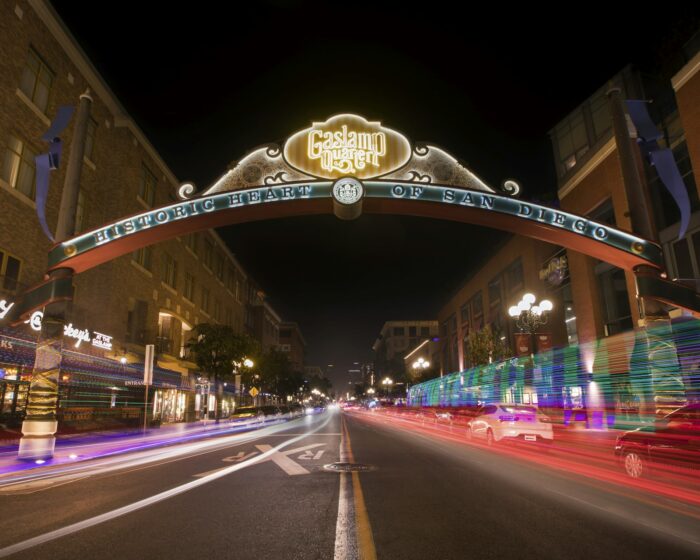
The Gaslamp Quarter is the center of downtown San Diego today. Its path from bayside lots to a historic district is one of the city’s best stories.
1867: Alonzo Horton founds “New Town”
In 1867, San Francisco businessman Alonzo Horton bought about 800 acres of waterfront land. He was betting that San Diego’s future lay on the bay, not in Old Town a few miles inland. He laid out small blocks and sold lots cheaply. Fifth Avenue became the main commercial street.
The 1880s boom
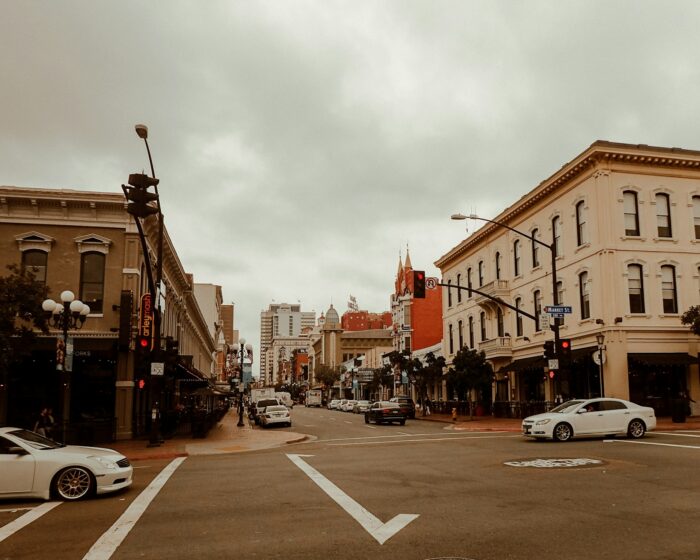
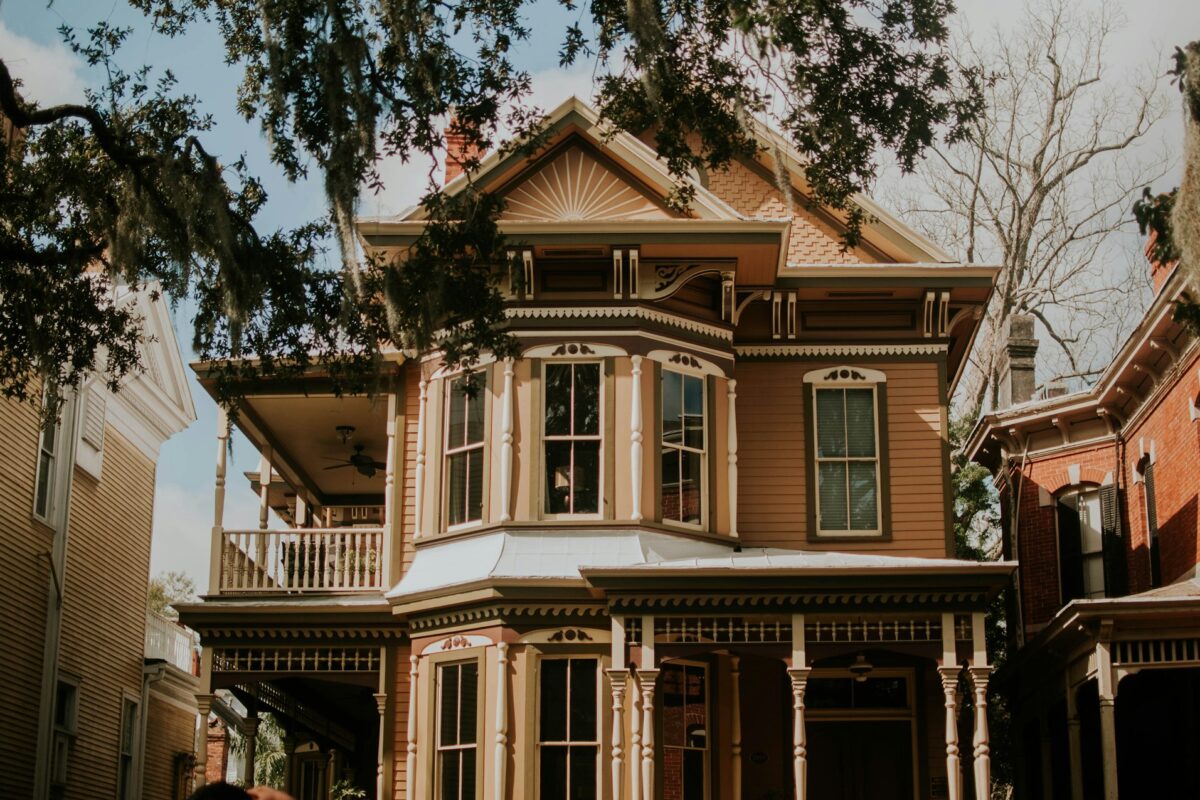
The railroad arrived in the mid-1880s and set off a land boom. Banks, hotels and ornate Victorian commercial buildings went up along Fourth, Fifth and Sixth Avenues. Many still stand, which is why the district looks the way it does.
The Stingaree
The boom brought a wilder side. The blocks south of Market Street became the Stingaree, full of saloons, gambling halls and brothels. Wyatt Earp ran gaming halls here in the 1880s (his story). The city cracked down on the district in 1912.
Decline and revival
As downtown business moved north in the 1900s, the old blocks fell into decline. In the 1970s, property owners and preservationists organized to save the Victorian buildings. The area was named the Gaslamp Quarter, after the gas lamps of its early years. In 1980 it was listed on the National Register of Historic Places.
The Gaslamp today
Today the 16-block district is full of restaurants, bars, theaters and hotels. Petco Park sits on its edge and the Convention Center is across Harbor Drive. Look up above the storefronts and the 1880s are still there.
See it with a guide
Our Gaslamp History and Architecture Walking Tour is 90 minutes and $30 per person. It covers Horton’s New Town, the Stingaree and the buildings that survived. Planning a visit? Read our Gaslamp Quarter visitor guide.